

Your Guide to Essential Oils
Essential oils are concentrated plant extracts that retain the natural smell and flavour, or “essence,” of their source. They are used in a variety of ways, including aromatherapy, personal care products, and natural remedies. Here’s an ultimate guide to essential oils, covering their use, blending, and ideas for homemade products.
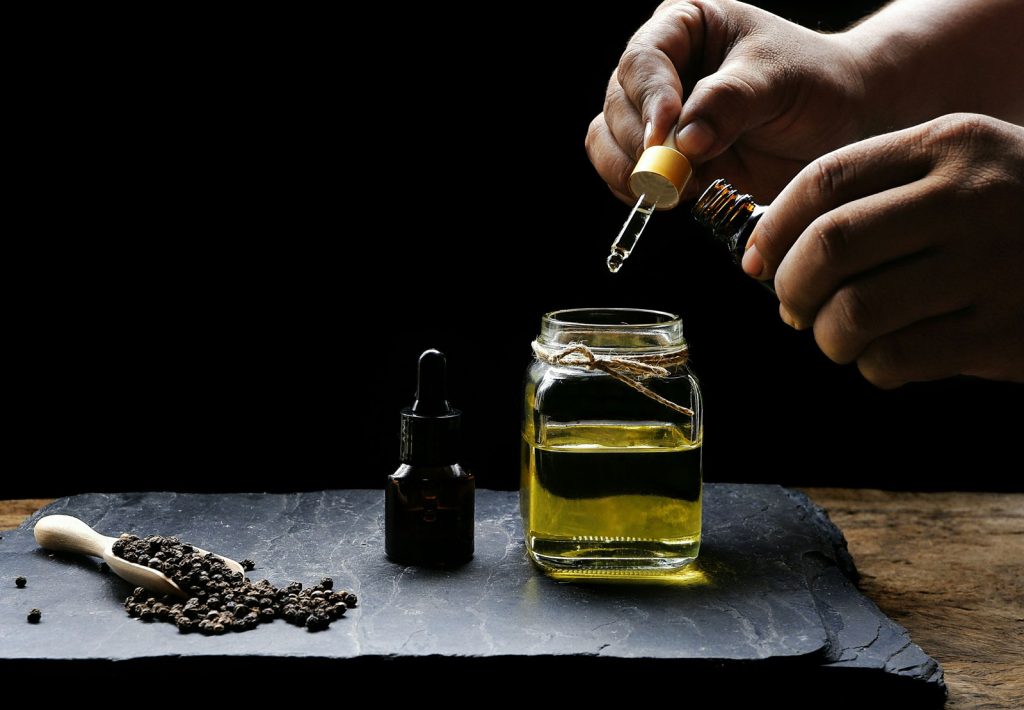
1. Understanding Essential Oils
- Source: Essential oils are extracted from flowers, leaves, stems, roots, or fruits of plants.
- Extraction Methods: Common methods include distillation (steam, water, or both) and mechanical methods, such as cold pressing.
The extraction of essential oils from plant materials is a delicate process that requires specific techniques to ensure the capture of the pure, therapeutic essences of the plants. Two of the most common methods for extracting essential oils are distillation, specifically steam and water distillation, and cold pressing. Here’s a more detailed look at each of these methods:
Distillation
Distillation is the most prevalent method of extracting essential oils and comes in several forms, with steam and water distillation being the most common. The process involves the conversion of liquid (water or steam) into vapour and then condensing that vapour back into a liquid form. This method is particularly effective for extracting essential oils from flowers, leaves, and stems.
Steam Distillation
- Process: In steam distillation, steam is generated in a boiler and passed through a chamber containing the plant material. The steam helps to release the volatile compounds from the plant material. The steam and volatile oils are then cooled in a condenser, turning back into a liquid form. This liquid is a mixture of water and the essential oil, which are then separated.
- Advantages: This method is highly efficient and can extract essential oils at relatively low temperatures, which is crucial for preserving the integrity and therapeutic properties of the oils.
Water Distillation
- Process: Water distillation involves submerging the plant material in water. The mixture is then heated, and the steam produced carries the essential oil vapours to a condenser, where they are cooled and separated from the water.
- Advantages: This method is particularly suitable for extracting essential oils from materials that might clump or stick together when exposed directly to steam.
Cold Pressing
Cold pressing, also known as expression or mechanical pressing, is primarily used for citrus peel oils such as orange, lemon, lime, and bergamot. Unlike the heat-dependent distillation methods, cold pressing mechanically presses or squeezes the plant material to extract the oils.
Process
- Preparation: The outer rind of the fruit is first grated or pierced to open the sacs containing the essential oil.
- Extraction: The prepared rinds are then pressed mechanically to squeeze out the essential oil. This method does not involve any heat, which helps to preserve the freshness and originality of the citrus oils’ fragrance and properties.
- Separation: The oil is collected and separated from the juice and other materials through centrifugation or simple settling.
Advantages
- Preservation of Properties: Because no heat is involved, cold pressing is excellent for maintaining the integrity of the essential oil, including its aroma and therapeutic qualities.
- Purity: Cold-pressed oils are generally very pure, closely mirroring the chemical composition of the original plant material.
Each extraction method has its specific applications and advantages, depending on the type of plant material being used and the desired characteristics of the final essential oil product. The choice of extraction method can significantly affect the quality, aroma, and therapeutic properties of the essential oils.
2. Dos and Don’ts
Dos
- Dilute Essential Oils: Essential oils are highly concentrated and should be diluted in a carrier oil (like jojoba, sweet almond, or coconut oil) before applying to the skin to avoid irritation.
- Patch Test: Before using an essential oil widely, conduct a patch test on a small area of skin to ensure there’s no adverse reaction.
- Store Properly: Keep oils in dark, glass bottles and store them in a cool, dark place to preserve their integrity.
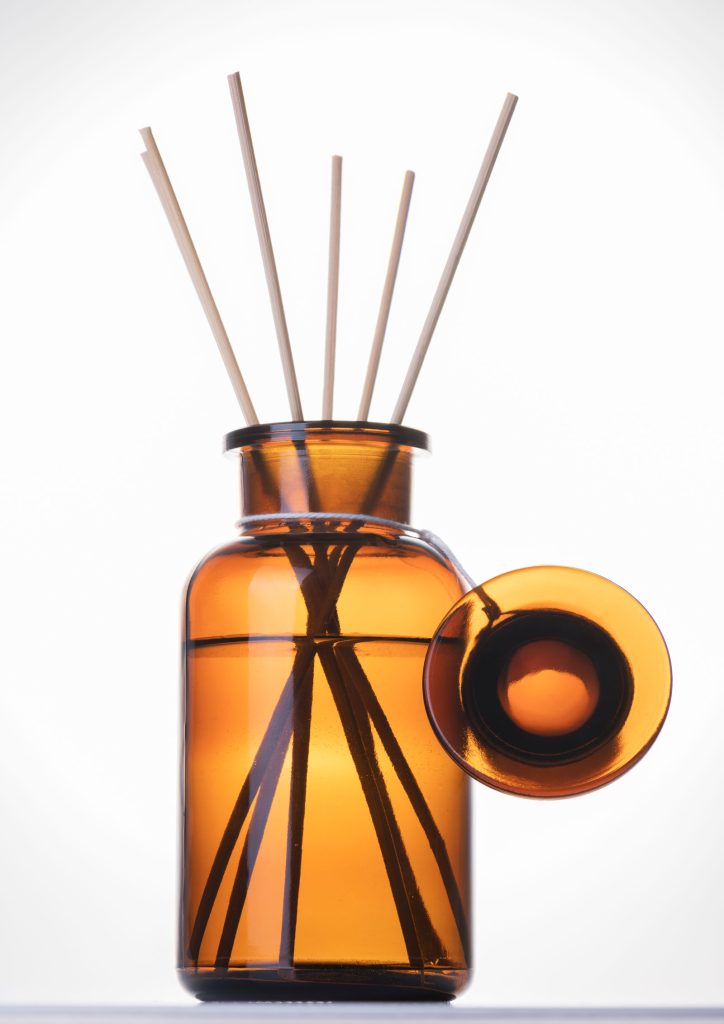
- Use a Diffuser for Aromatherapy: Diffusers disperse oils into the air, making them easy to inhale and beneficial for aromatherapy.
- Educate Yourself: Research and understand the benefits and potential risks of each essential oil before use.
Don’ts
- Avoid Ingesting: Most essential oils are not safe to ingest and can be toxic.
- Keep Away from Sensitive Areas: Avoid contact with eyes, inner ears, and mucous membranes.
- Limit Sun Exposure: Some oils (like citrus oils) are photosensitive and can cause skin reactions in sunlight.
- Use on Vulnerable Populations Without Caution: Pregnant women, infants, and people with certain health conditions should use essential oils with caution and preferably under the guidance of a healthcare professional.
3. Blending Essential Oils
Blending essential oils is both an art and a science. The goal is to combine oils to achieve a desired effect, whether for scent, therapeutic properties, or both.
- Categories: Oils are often categorised by their scent (floral, citrus, earthy, etc.) or their effect (uplifting, calming, etc.).
- Blending Rules: Start with a base note (long-lasting fragrance), add middle notes (the heart of the blend), and finish with top notes (first impression scents). Maintain a balance by using a few drops of each and adjust based on preference and purpose.
When blending essential oils, it’s crucial to be aware that some combinations can be potentially harmful due to the properties of the oils involved. While the danger often lies in the specific oils themselves or their concentrations rather than the blend, certain combinations might amplify the adverse effects or risks associated with their individual components. Here are five essential oil blends that should be approached with caution or avoided due to potential dangers:
- High-Phenol Oils with Sensitive Skin: Blending oils high in phenols, such as oregano, clove, cinnamon bark, and thyme, can be particularly irritating to the skin. When combined, these oils can increase the risk of skin irritation or sensitization, especially if not properly diluted with a carrier oil or used on sensitive skin.
- Multiple Citrus Oils for Sun-Exposed Skin: Citrus oils like bergamot, lemon, lime, and grapefruit are photosensitive, meaning they can increase the skin’s sensitivity to sunlight and lead to sunburn or phototoxic reactions. Using blends of these oils on the skin before sun exposure can amplify these risks.
- Eucalyptus and Peppermint in High Concentrations for Young Children: Both eucalyptus and peppermint oils contain compounds (e.g., 1,8-cineole in eucalyptus) that can be problematic for young children, potentially causing breathing difficulties or nervous system issues. Blending these oils and using them around or on children under 10 years of age should be avoided.
- Camphor and Wintergreen in Pain Relief Blends: Both camphor and wintergreen contain substances (camphor and methyl salicylate, respectively) that can be toxic if absorbed through the skin in large amounts or ingested. These oils should be used cautiously, especially in blends intended for pain relief, as overuse can lead to salicylate poisoning, particularly in children or pets.
- Strongly Aromatic Oils with Asthma: Blends containing strong, highly aromatic oils (such as sage, hyssop, and rosemary) can trigger respiratory issues in individuals with asthma or other breathing disorders. The strong scents can provoke asthma attacks or exacerbate breathing difficulties.
For each of these scenarios, it’s important to research and understand the properties and potential risks of essential oils before blending or using them. Always dilute essential oils appropriately, use them in moderation, and consult with a healthcare professional, especially when using essential oils for children, pregnant or nursing women, or individuals with pre-existing health conditions.
4. Lavender Oil
Lavender essential oil, widely used for its calming and relaxing properties, has been the subject of some research regarding its potential effects on hormonal balance. However, the evidence regarding its impact on hormonal balance in women is not conclusive, and much of the concern about lavender (and in some studies, tea tree oil) relates more to its purported estrogenic (estrogen-like) and anti-androgenic (blocking male hormones) activities, particularly in prepubertal boys.
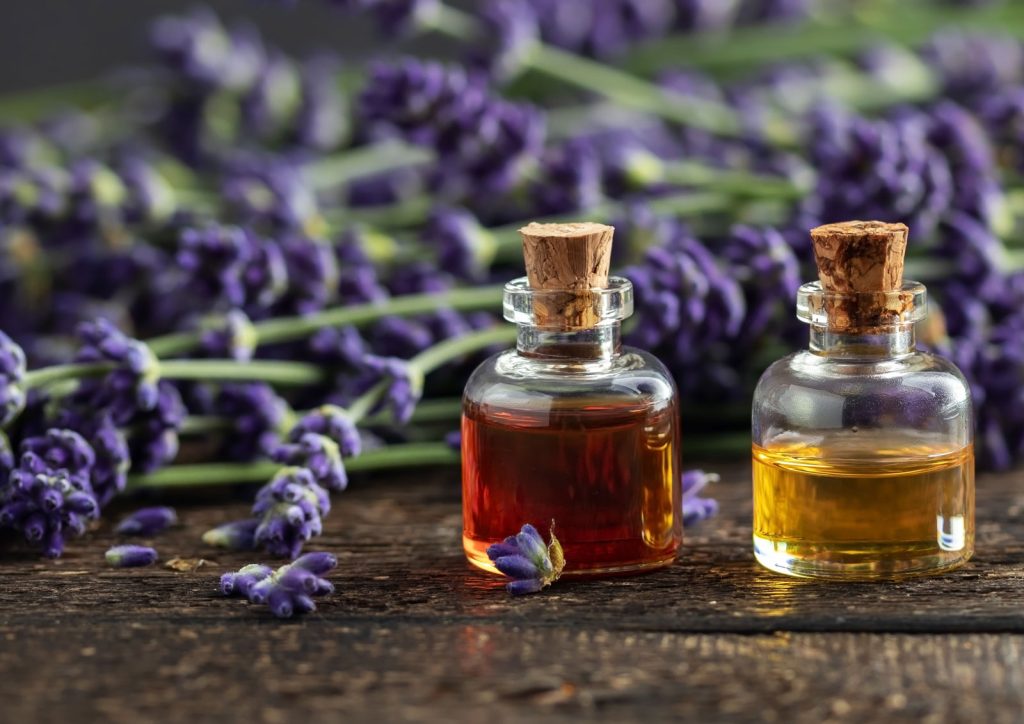
The research that has raised concerns about lavender’s potential hormonal effects primarily focuses on case reports and in vitro (test tube) studies. For example, there have been case reports suggesting that products containing lavender oil might be linked to gynecomastia (breast growth) in young boys. These reports hypothesized that certain compounds in lavender could mimic estrogen or inhibit testosterone, leading to hormonal imbalances.
However, it’s important to note that these studies and reports do not conclusively establish a cause-and-effect relationship between lavender oil and hormonal imbalance, especially in women. The studies often involve a small number of cases, and they do not always account for other potential contributing factors. Additionally, the concentration of essential oils used in studies can be much higher than what people typically use in everyday circumstances.
For women, there is limited research specifically investigating the impact of lavender oil on hormonal balance. The body of evidence is not substantial enough to draw firm conclusions about its effects on estrogen levels, menstrual cycle, fertility, or other aspects of hormonal health.
When using lavender oil or any essential oil, moderation and proper dilution are key to safety. While essential oils can offer many benefits, they are potent and should be used responsibly. If you have concerns about hormonal health or are experiencing hormonal imbalances, it’s advisable to consult with a healthcare professional. This is especially important for pregnant women, breastfeeding mothers, or individuals with pre-existing hormonal conditions, as they should use essential oils with caution or under the guidance of a health practitioner.
Please visit the National Institute of Environmental Health Sciences for more information.
5. DIY Product Ideas Using Essential Oils
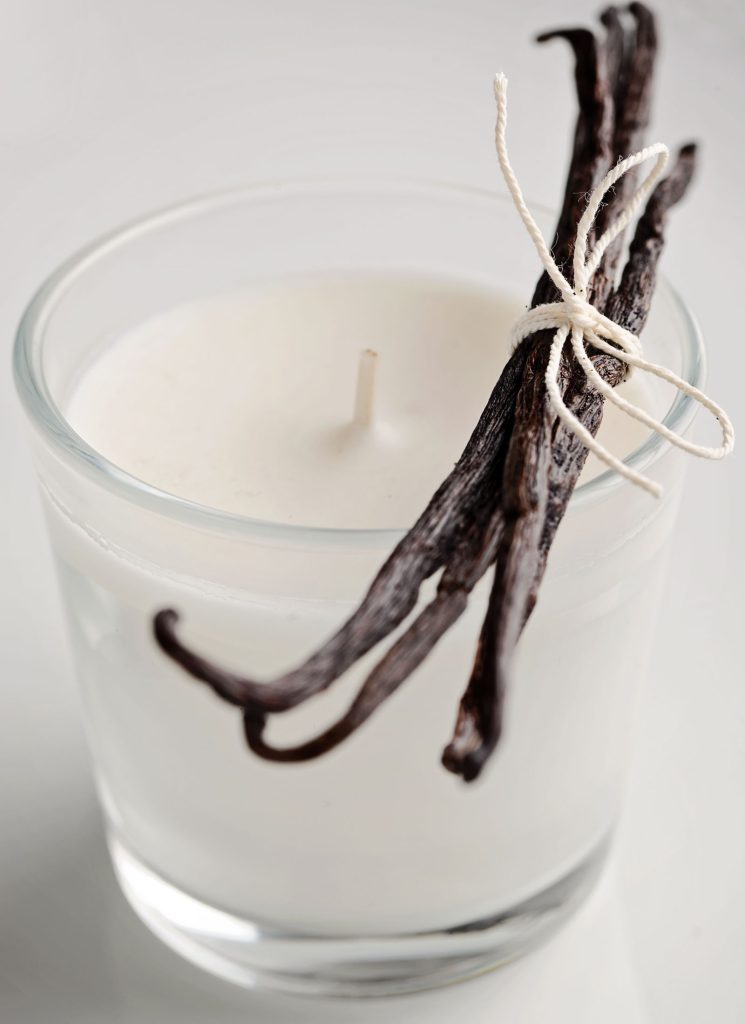
- Aromatherapy Candles*: Blend essential oils into soy wax or beeswax for natural, therapeutic candles.
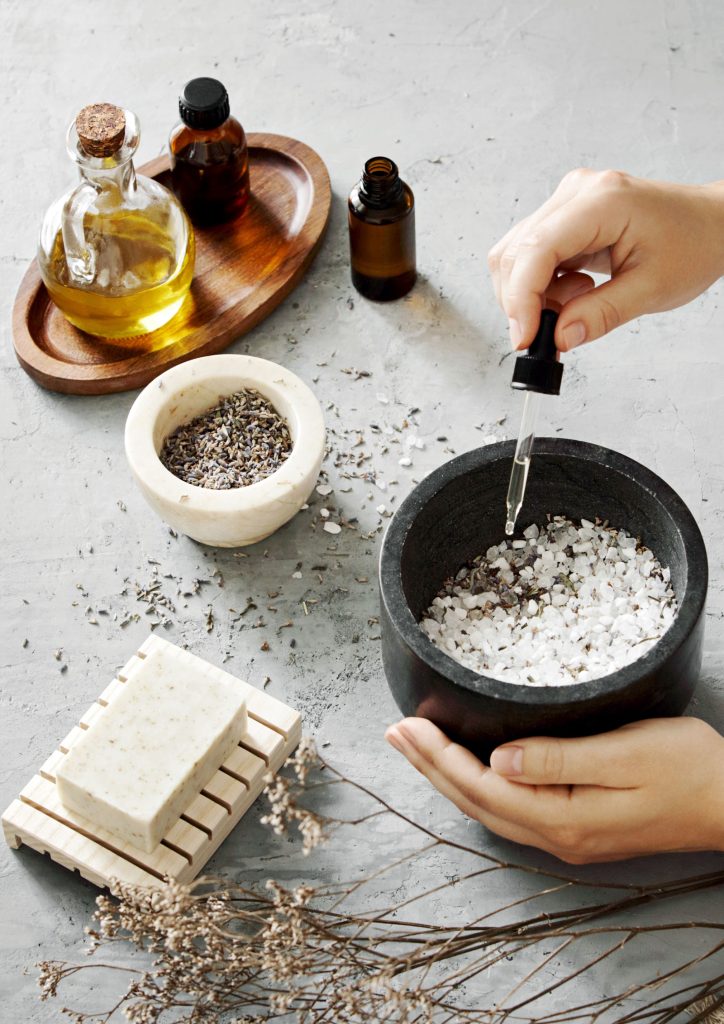
- Bath Salts: Mix Epsom salts with essential oils for a relaxing bath additive.
- Body Scrubs: Combine coarse sugar or salt with carrier oil and essential oils for exfoliating scrubs.
- Massage Oils: Dilute essential oils in carrier oil for use in massage therapy.
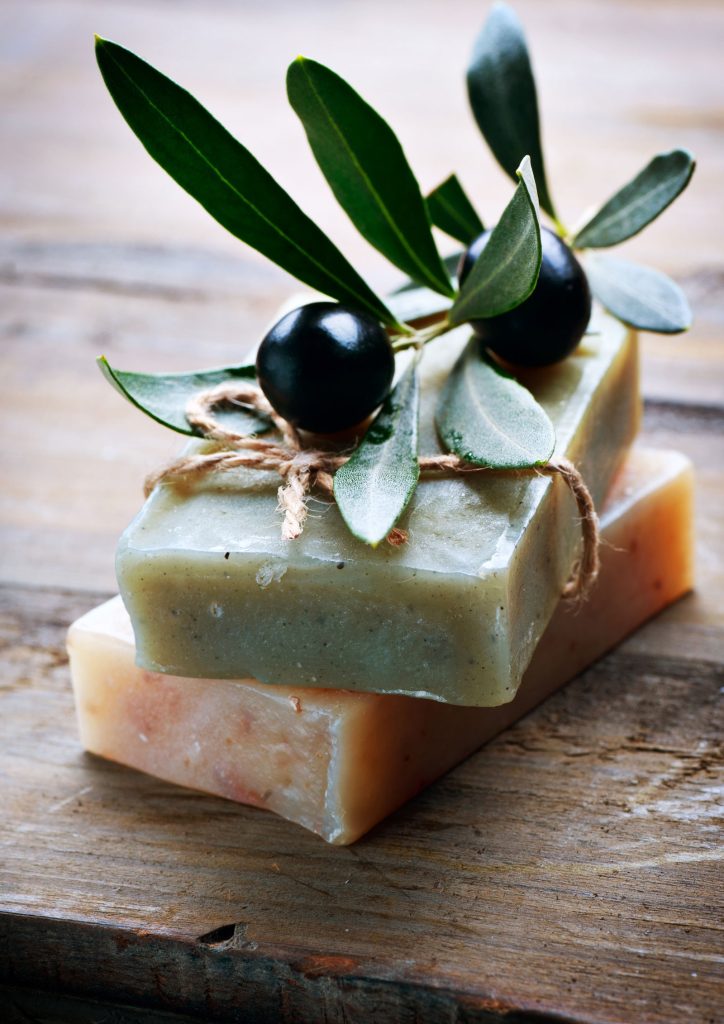
- Homemade Soaps: Add essential oils to soap recipes for fragrance and benefits.
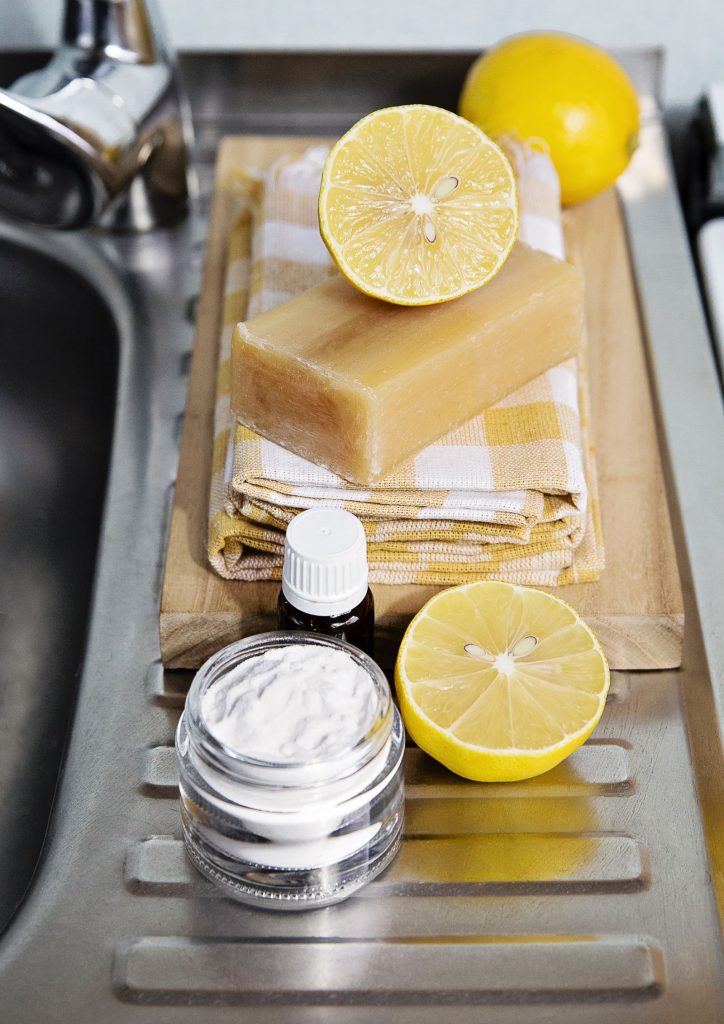
- Natural Cleaning Products: Use oils like lemon, tea tree, and lavender for their natural antibacterial properties in homemade cleaners.
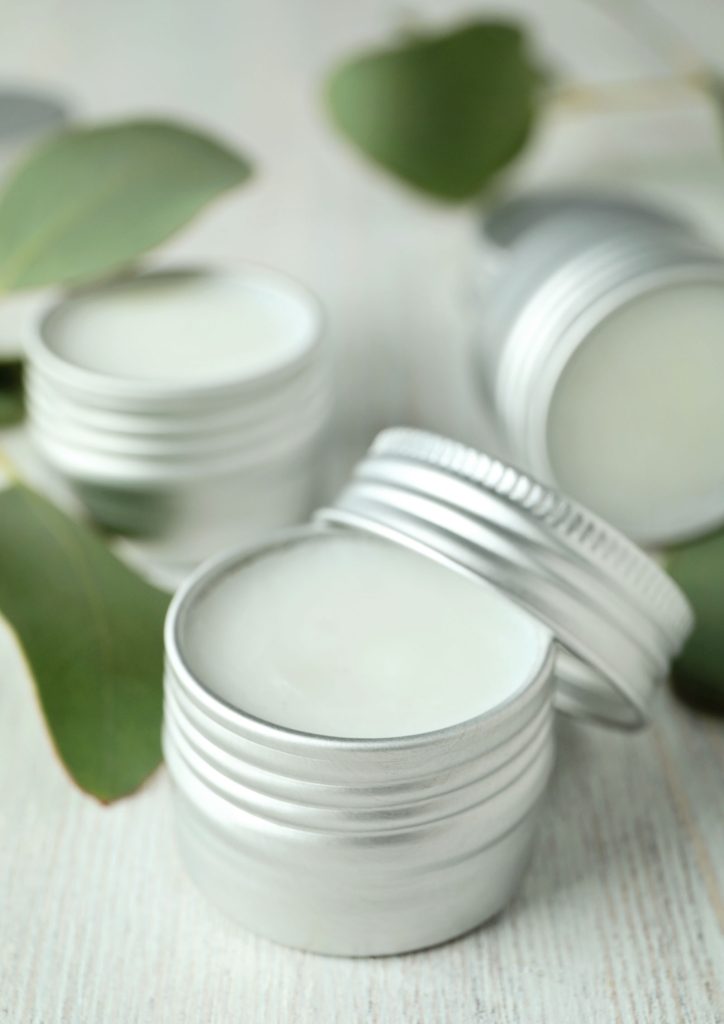
- Lip Balms: Incorporate essential oils into lip balm recipes for scent and healing properties.
6. Safety and Quality
- *Please Note: Recent research has raised concerns about the potential health risks associated with the use of candles, both scented and non-scented. While these candles are popular for their ability to create a pleasant ambiance and aroma, studies suggest that the fumes released from burning candles can pose risks to lung and respiratory health. The combustion process of these candles can emit volatile organic compounds (VOCs), benzene, toluene, and other potentially harmful chemicals into the air. Prolonged exposure to these substances may contribute to lung irritation, breathing difficulties, and in some cases, exacerbate asthma and other respiratory conditions. The concerns are particularly significant in poorly ventilated spaces, where these pollutants can accumulate and pose a greater risk to occupants. As a result, health experts recommend using scented candles sparingly, ensuring good ventilation when they are lit, and considering alternative methods to fragrance a space, such as diffusers with natural essential oils and battery operated wax candles with the option to add essential oils, to mitigate these health risks.
- Quality Matters: Purchase essential oils from reputable sources to ensure they are pure, high-quality, and free from additives.
- Safety First: Always prioritise safety by diluting oils, conducting patch tests, and researching each oil’s properties and potential risks.
Essential oils offer a world of natural benefits and uses. By following these guidelines, you can safely and creatively incorporate them into your lifestyle and homemade products.





Join the List
Stay up to date and receive the latest posts in your inbox.