

Gardening Smock
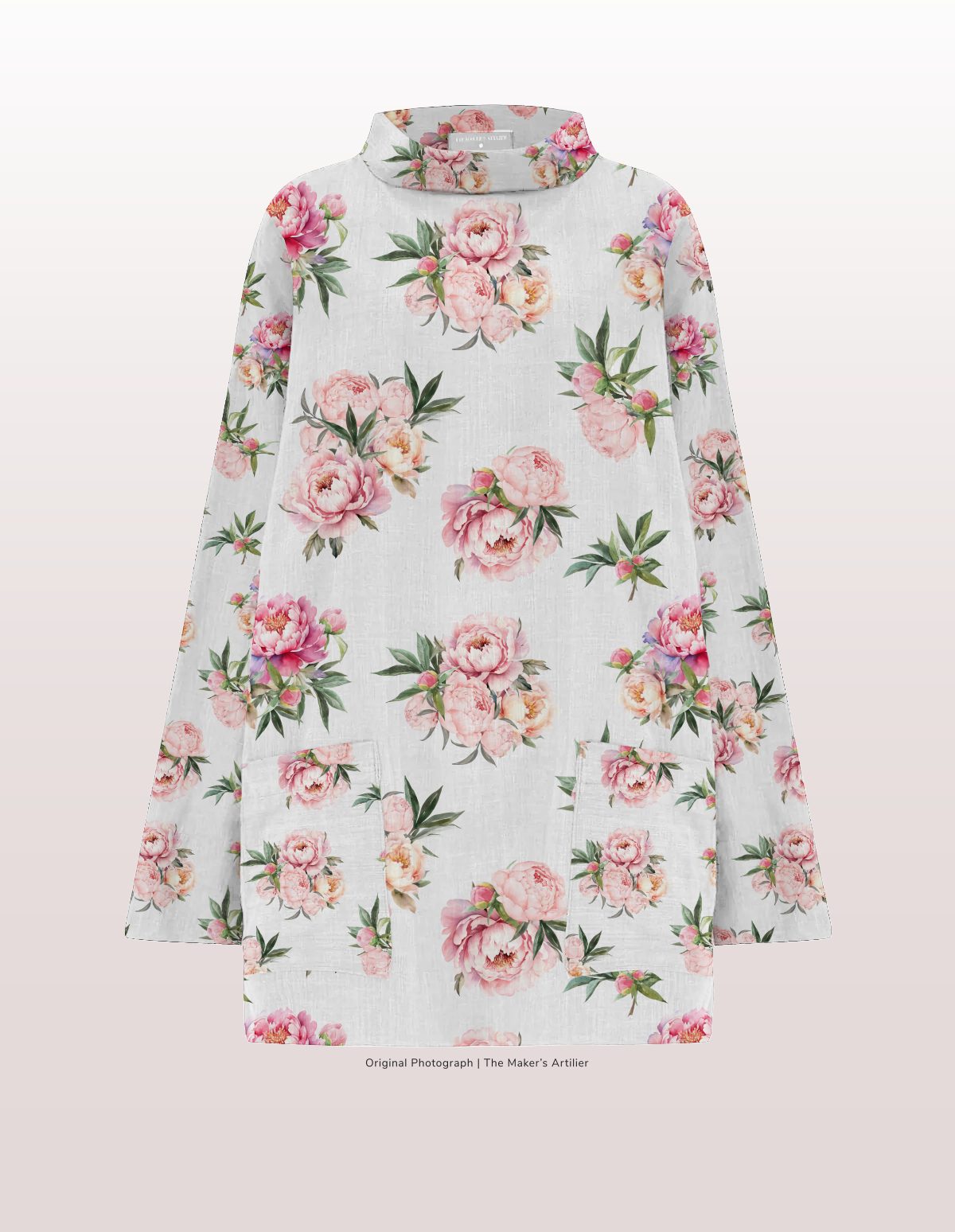
Sewing the Perfect Gardening Smock
Gardening
This top isn’t just any old smock…it’s the perfect gardening smock! Well nearly, you do have to sew it yourself or get a friend or willing family member to create for you, but it is so worth it! I have been looking for the perfect smock for ages…the ones I had found previously were usually too short, too boxy, available in limited colours and not very flattering.
Afternoon tea
This smock is perfectly chic enough to wear whilst gardening, then to nip into the village for groceries or afternoon tea at the local cafe. Great for country dwellers or urbanites alike…team it with comfy leggings or jeggings and wellington boots for your perfect Sunday afternoon walk with the family.
sewing pattern
Today, I’m going share with you this treasure of a find from The Maker’s Atelier and help you through the first steps to recreating this beautiful gardening smock. As mentioned, the sewing pattern comes from The Maker’s Atelier, specifically The Maker’s Top, which you can find here. This sewing pattern is versatile, comes in two variations and the pattern is perfect for beginners. Buying the pattern couldn’t be easier too, once bought the pattern is instantly available to download.
DIY Repeating pattern
I created my own fabric design, Peonies in Canva using the graphic assets available (pro account required), but you can easily create a repeating pattern using the free version of Canva too. I’ll be giving more information on how to design a repeating pattern in Canva and how to get it printed on the fabric of your choice, below. If you’re not keen on the idea of designing your own fabric design, I’d like to suggest that you support independent artists by buying fabric from online Print on Demand sites like Spoonflower, Contrado and Woven Monkey (links below). The choice is outstanding and you’ll be supporting small and micro businesses run by passionate independent textile designers.
Hey! Just a quick note to keep things transparent: I’m sharing some recommendations with you for blogs, tutorials, a sewing pattern and fabric retailers and it’s all from the heart – no affiliate links here. This means I won’t earn any commission from what I suggest in this post. I’m just passing along stuff I genuinely think you’ll love!
Gardening Smock – Getting Started
Never sewn before? No worries, I’ve got you covered! I’ve found some great resources that can help you start your journey into dressmaking and sewing.
Tuition
- Alison – provides a free “Basics of Sewing” course that covers the essentials step by step, helping you master the necessary skills and techniques of hand sewing. This course is ideal for those picking up a needle and thread for the first time.
- Tilly and the Buttons – Known for its clear, jargon-free instructions and beautiful patterns suitable for beginners to advanced sewers.
- Guthrie & Ghani – Offers tutorials, fabric guides and sewing inspiration, with a focus on dressmaking.
- Made By Rae – Specialises in women’s and children’s clothing patterns, with helpful sewing tips and tutorials.
- Closet Core Patterns (formerly Closet Case Patterns) – A sewing blog that dives deep into sewing techniques, pattern hacking and wardrobe planning.
- Sew Over It – A UK-based blog offering stylish sewing patterns, online sewing classes and a range of posts about dressmaking and sewing projects.
- Melly Sews – A blog that provides a vast resource of sewing tutorials, patterns and tips for sewing clothes and accessories.
- By Hand London – An independent sewing pattern label that also runs a blog full of sewing advice, inspiration and pattern hacks.
- Creative Creator – Offers a comprehensive free sewing course for beginners that guides you through the basics of using a sewing machine, different types of stitches and more. It’s designed to help you become comfortable and confident with sewing.
- Skillshare – A wonderful online resource for courses of all types. Requires a subscription.
These resources will provide a solid foundation for anyone looking to learn dressmaking and sewing from scratch. Whether you’re interested in the technical aspects of using a sewing machine, how to read a pattern or jumping straight into projects, these sites will certainly help. Apart from Skillshare, these learning resources are free (correct at time of publication).
Choosing Your Fabric
For a gardening smock, the choice of fabric is crucial. You need something durable, comfortable and capable of standing up to the rigours of gardening tasks.
Care Instructions: Choose a fabric that is as easy to care for as it is to wear. Remember, your smock will likely get dirty, so easy washability is key. My top fabric choices are:
- Linen/Cotton: Linen is not only stylish but also naturally resistant to dirt and stains, making it a great option for a chic gardening smock, it has the added bonus of being available in many colours and patterns.
- Heavier Cottons: These are breathable and sturdy, making them perfect for a smock that needs to be both functional and comfortable in warmer weather. Limited patterns and colours.
- Canvas: Canvas is highly durable and provides excellent protection against thorns, branches and dirt, making it ideal for more intensive gardening tasks. Limited patterns and colours.
Prepare the Fabric
This isn’t always necessary and depends on the fabric used, but if using a natural fabric like linen and cotton, which may be prone to shrinkage, you may want to prewash and iron your fabric. If you’re in doubt, ask an expert at the fabric shop for advice.
Pattern and Cutting
- Print and Assemble the Pattern: Start by printing out The Maker’s Top pattern. Ensure your print settings are correct to maintain the proper scale. Assemble the pattern pieces according to the instructions provided.
- Cut Your Fabric: Lay your chosen fabric flat on a large surface and arrange your pattern pieces as directed, keeping in mind any fabric pattern or grain. Carefully cut around each piece, ensuring you include seam allowances as specified in the pattern instructions.
Gardening Smock – Sewing Instructions
Construct the Gardening Smock
- Follow the pattern’s step-by-step instructions for sewing the pieces together. Pay special attention to areas that might require reinforcement, like pockets or seams that will be under strain during gardening activities.
Finishing Touches
- Hemming: Ensure the bottom hem and sleeve edges are neatly finished to prevent fraying and add to the smock’s durability.
- Pockets: Consider adding reinforced pockets for practicality.
Gardening Smock – Additional Tips
- Customisation: Feel free to add personal touches to your smock, such as decorative stitches, trimmings such as rick rack or pompoms (why wouldn’t you want to?!).
With these steps and tips, you’re ready to create a chic, durable gardening smock that’s not just practical but also a reflection of your style. Whether you’re a novice sewer or a seasoned pro, this project is a wonderful way to combine your love for gardening with the satisfaction of creating something unique and personal.
Creating a Repeating Pattern in Canva
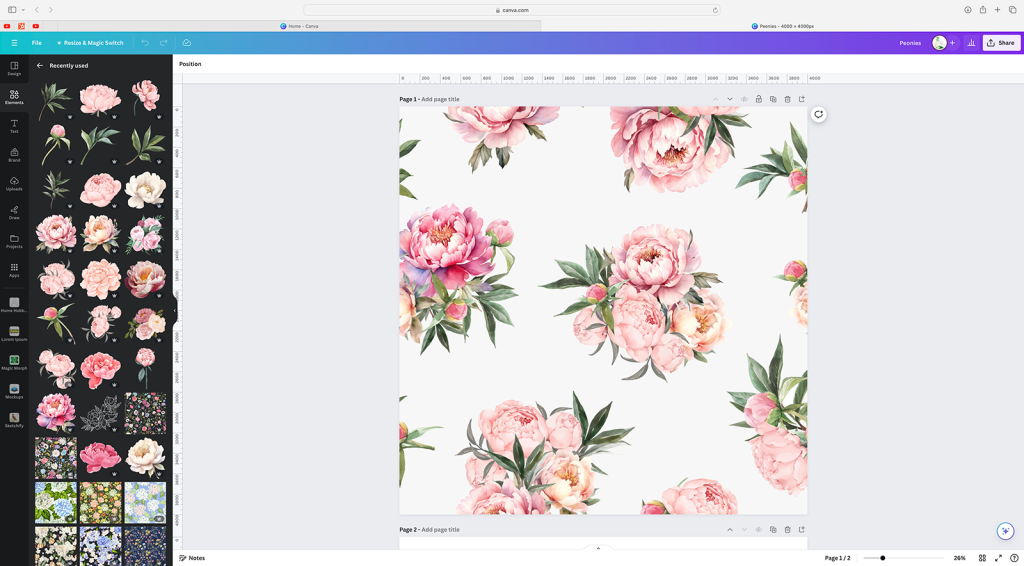
As an experienced surface pattern designer, specialising in creating repeating patterns, I’ve always sought tools that blend ease of use with professional capabilities. In my latest project, I ventured into designing a seamless pattern for linen fabric, using Canva. I’m excited to share that this method is a remarkably straightforward. It’s easy to create any sized pattern without the use of maths and editing is easy. I followed along with Michelle Marks’ tutorial on YouTube. The link to Michelle’s video is just below.
The beauty of using Canva is it’s so easy! It opens up a world of possibilities for those who may not have access to software like Adobe Illustrator. This means that creating your own patterns for projects and monetising your designs, is now within reach.
First Things First…
Check out Michelle Marks’ Free Video. If you can’t see the video player, please click on the pink link below.
Creating Seamless Repeating Patterns in Canva
Fabric Printing
Introduction to Personal Fabric Printing
Transforming your unique patterns into tangible fabric is an exhilarating step for any designer at any level. The digital age has made it possible to personalise fabric with your creations. Whether you’re looking to craft a garment or home décor, the first step is selecting a reputable fabric printing company. This process involves uploading your design and choosing your fabric type . To help, I’ve highlighted three exceptional services, each offers a unique set of features for the fabric design community:
- Spoonflower
- Contrado
- Woven Monkey
custom fabric printing providers
Spoonflower
Spoonflower stands out as a pioneering platform in the world of custom fabric printing. It provides an incredibly user-friendly interface that caters to both novice and experienced designers. At Spoonflower, you can upload your design, preview it on various fabric options and choose the scale and repeat of your pattern. The company prides itself on its eco-friendly practices, offering a wide range of natural and synthetic fabrics. Spoonflower also fosters a vibrant design community, allowing designers to sell their patterns and earn commissions. For insights and tutorials on how to use Spoonflower, the blog (blog.spoonflower.com) has lots of information. You’ll find step-by-step guides and inspirational stories from fellow designers.
Contrado
Contrado is a premium option for designers looking to print their patterns on high-quality fabrics. It has an extensive selection of over 100 different fabrics. Minimum print requirement is one metre, Their platform is straightforward, providing clear instructions for uploading and adjusting your designs. Contrado emphasises quality and durability, ensuring that your custom prints are vibrant and long-lasting. The blog (www.contrado.co.uk/blog) offers detailed guides on creating designs for their printing process and creative ideas to inspire.
Wovenmonkey
Woven Monkey is a UK-based conscious fabric printing company that caters to a wide audience, from hobbyists to professional designers. They offer a handpicked selection of fabrics, ensuring that your designs are printed with precision and care. Woven Monkey stands out for its commitment to customer service and its effort to make fabric printing accessible to everyone. Their website provides clear instructions for uploading your design and choosing the right fabric for your project. While Woven Monkey might not have tutorials, its customer service team is known for being exceptionally helpful.
…and There You Have It
I hope you enjoyed this quick guide and it has sparked a bit inspiration. Using The Maker’s Atelier Smock pattern, we’ve explored the creative process of designing repeating patterns. We’ve delved into how simple it is to use Canva. We’ve also visited fabric printing with Spoonflower, Contrado and Woven Monkey. Whether you’re a seasoned dressmaker or just dipping your toes, the possibilities are as limitless as your imagination. I hope this guide inspires you to bring your unique visions to life, stitch by joyful stitch. So, go ahead, design, print, sew and most importantly, have fun with it! The world of dressmaking awaits your personal touch and who knows what stunning creations you’ll bring into the world next?
Need a little gardening inspiration too? Check our my flower garden post here.
Happy sewing, everyone!



Join the List
Stay up to date and receive the latest posts in your inbox.